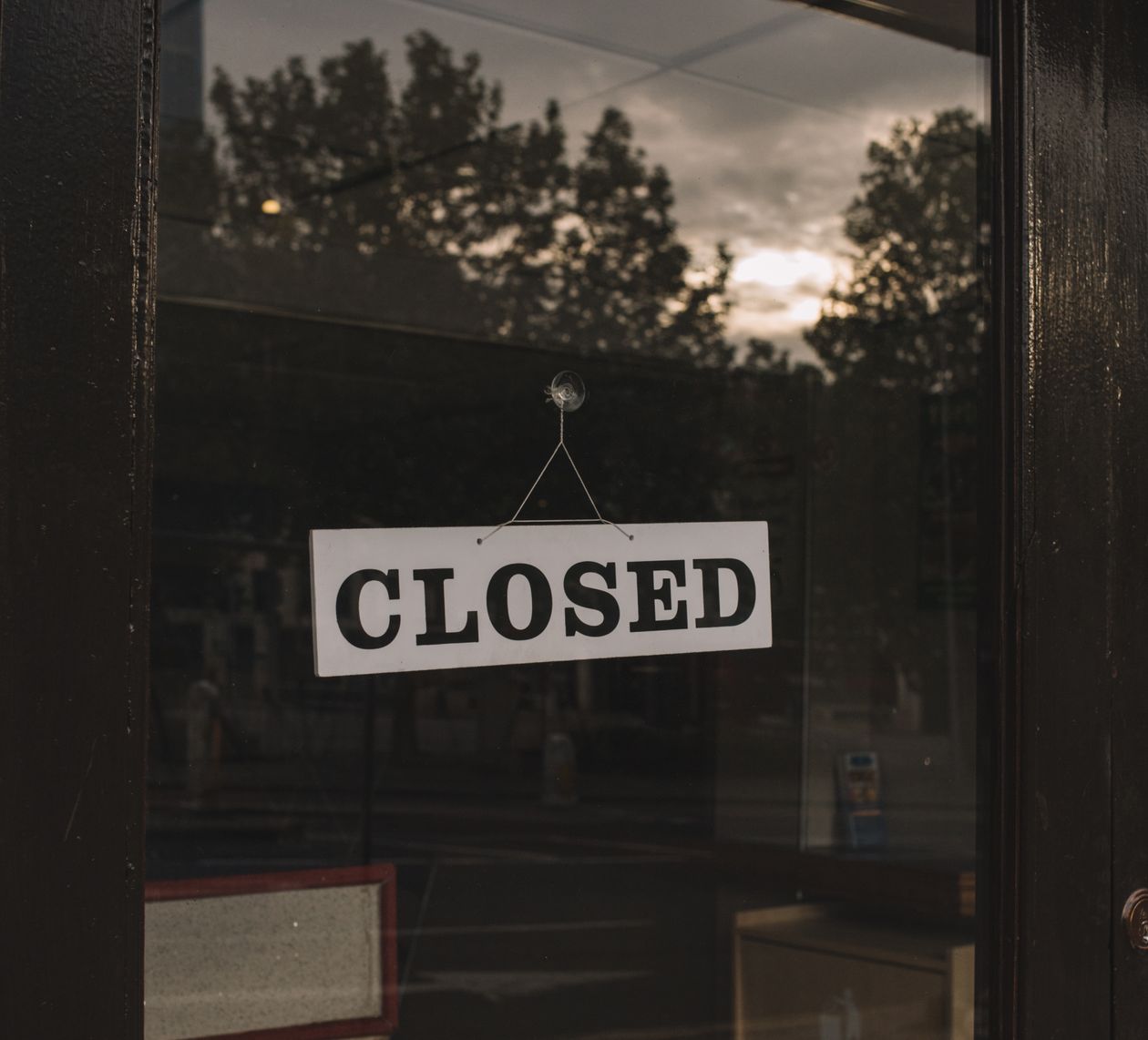
Renata owns a small Pilates studio in Bristol. Last winter got busy, a new instructor to train, a lease renewal to negotiate, and her Instagram posting slipped from three times a week to nothing for almost two months. She didn't think much of it until a regular client messaged asking, "Hey, are you guys still open? Your Instagram looks like you closed." The studio hadn't closed. It had never been busier. But to anyone checking the feed before booking a class, it looked exactly like a business that had shut its doors.
That message stuck with Renata, and it's worth sitting with for a second, because it's not really about Instagram. It's about what silence signals to someone who doesn't know you the way a regular client does.
What do people assume when your last post is two months old?
Nobody scrolling past your page thinks "they must just be busy." They assume you closed, you stopped caring, or you're not a real, active business worth trusting with their money. That assumption forms in seconds, and it happens whether or not it's fair.
This isn't a small effect anymore. Social presence has become a trust signal in its own right. Sprout Social's research found that 78% of consumers say a brand's social media presence directly affects whether they trust that brand, and among Gen Z that figure climbs to 88%. For a lot of small businesses, especially ones without a storefront on a busy street, the social page is the first and sometimes only impression a new customer gets.
What does going quiet actually cost you?
Going quiet doesn't just mean fewer likes on the posts you're not making. It has a real cost on the other side too: when a business doesn't show up or respond on social, 73% of social users say they'll simply buy from a competitor instead, according to Sprout's consumer research. That's not a follower lost. That's a customer who never became one, and who you'll likely never hear from to know it happened.
There's a quieter cost as well. Video and content quality shape how credible a brand feels: nearly 89% of consumers say the quality of what they see affects how much they trust a brand. A dry page doesn't just look inactive. When you do finally post again, rushed or thrown together after a long gap, it can look like you don't take the business seriously, even if that's not true at all.
Does the algorithm notice too, not just customers?
Platforms deprioritise accounts that go quiet. When you stop posting for weeks, you lose whatever momentum the algorithm had built around your account, and your next post starts from a smaller, colder audience than the one you had before the gap. That's a separate problem from the trust issue, and it compounds it: fewer people see the post, so the "we're still here" message doesn't reach the people who needed it.
Never let your page go quiet again
Frekto generates a week's worth of on-brand posts in minutes, so a busy season doesn't mean an empty feed. Schedule ahead of time and your page keeps showing up, even when you can't.
Try Frekto freeHow do you get back to consistent without adding another job?
The instinct after a gap like Renata's is to overcorrect, post five times in one day to "catch up." That's not really the fix. What actually matters is getting back to a steady, boring rhythm that doesn't depend on how busy your week gets, because busy weeks are exactly when the posting stops.
That's the specific problem Frekto solves. It builds a week of on-brand, designed posts in one sitting, based on your business's own branding, so the plan for the week doesn't live entirely in your head. You can schedule the whole batch in advance and go handle your lease renewal, your new hire, or whatever your version of a busy winter looks like, without your feed going dark while you do it.

A quiet page costs more than it looks like it does
Renata posted again the week after that message from her client, and kept a simple weekly batch going through the rest of the season. She told me the odd part wasn't the return in bookings, though there was one. It was realising how many people had been quietly checking the page before deciding whether to try a class, and how close she'd come to losing them without ever knowing it.
If your feed has gone quiet because the business got busy, that's not a sign you're failing at social media. It's a sign the system you had wasn't built to survive a busy month. For a closer look at what to actually post once you're back to a regular rhythm, our piece on what kind of content your brand should actually post covers the content side of the same problem.
Don't let a busy season read as "closed" to the people checking your page. Try Frekto free and keep a week of posts ready no matter what the week throws at you.